

Products
Joining hands with partners at home and abroad to create long-term value and achieve a mutually beneficial future for the industry.
Products
‹
›
‹

›
Product Specifications
Products Center
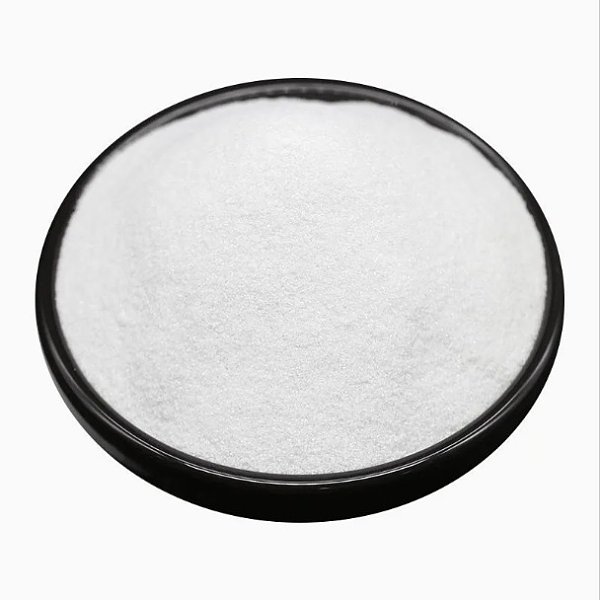
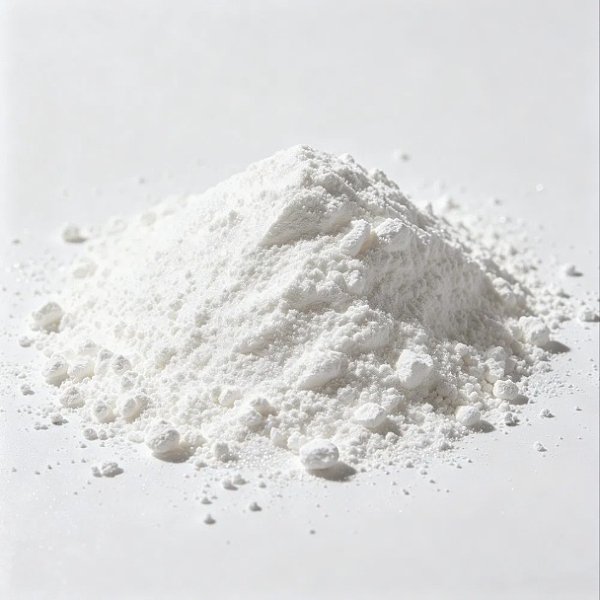
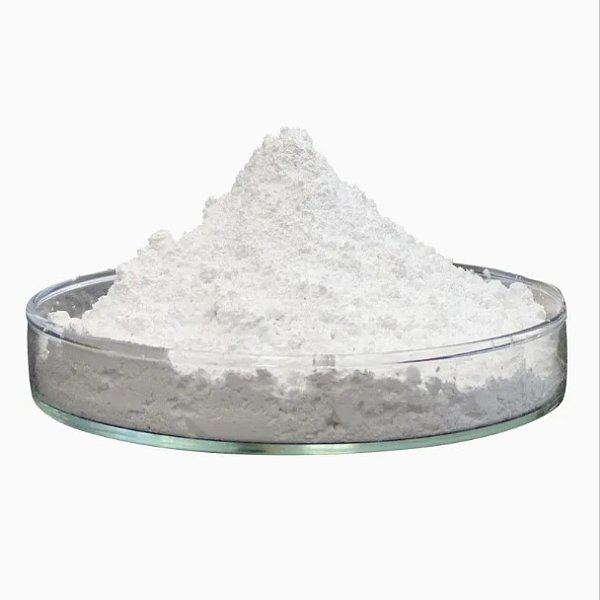
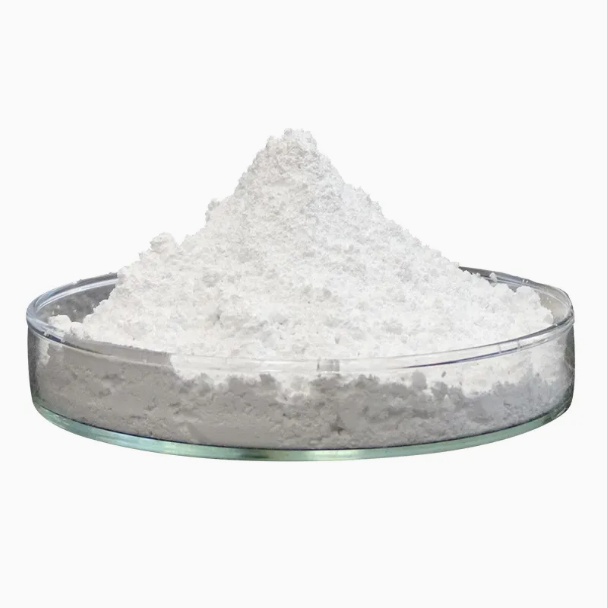
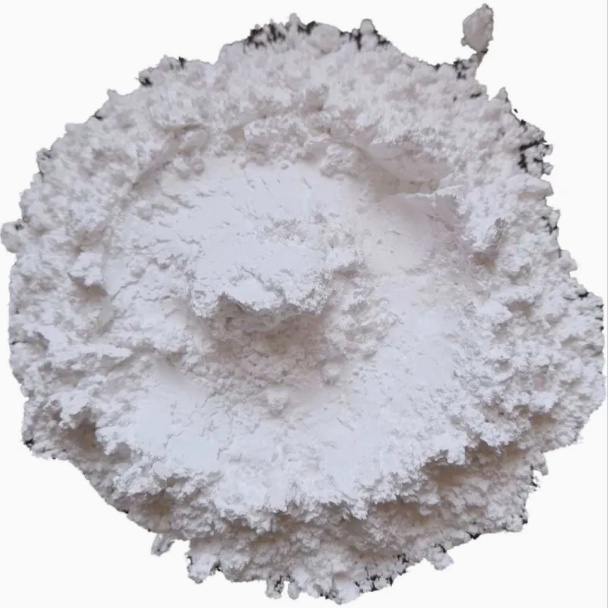
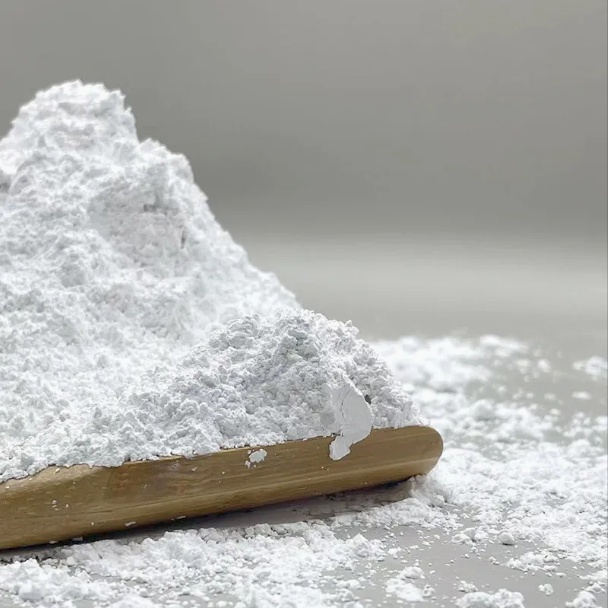
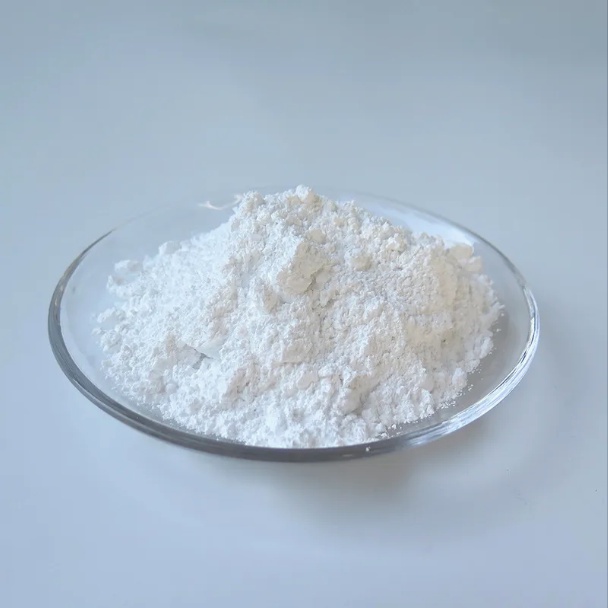
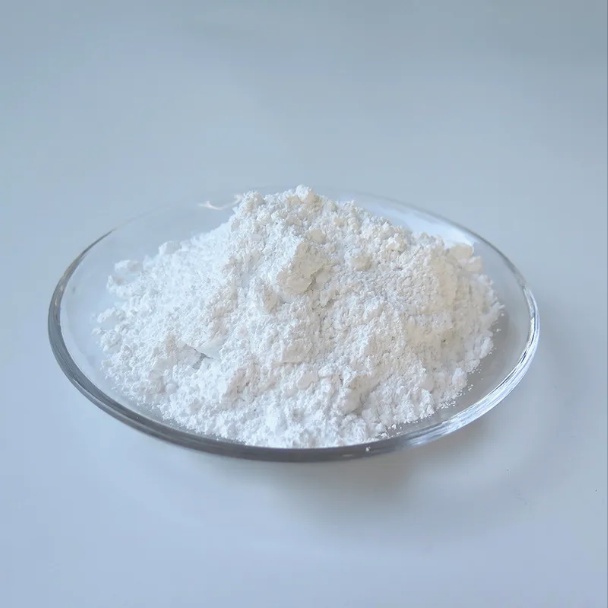
The quality of metallurgical grade alumina depends not only on chemical composition but equally on physical properties. Particle size distribution affects conveying, feeding, and dissolution behavior; attrition index reflects resistance to breakdown during handling; angle of repose and bulk density govern flowability, silo design, and feeding accuracy; specific surface area is directly linked to HF adsorption efficiency.
Particle size distribution and specific surface area are key assessed parameters, while other physical items may be treated as reference indices depending on the standard revision. Sandy alumina is the dominant commercial form in the aluminium industry owing to its favorable flowability, low dusting, and good dissolution characteristics.
Chemical Composition
Chemical specifications for metallurgical grade alumina center on Al₂O₃ content and upper limits for impurities. Na₂O interacts with cryolite bath components, affecting bath acidity and current efficiency; SiO₂ and Fe₂O₃ are reduced into the aluminium metal, directly impacting primary metal grade; CaO forms CaF₂ that accumulates in the electrolyte and may degrade cell performance.
YAO-1 is a higher-grade designation under the YS/T 803 industry standard, with tighter SiO₂ and Na₂O limits than general market requirements, suitable for applications demanding higher primary metal quality and cell stability.
Production Specifications
Metallurgical grade alumina is classified by chemical and physical performance into grades such as YAO-1 and YAO-2. It is supplied in bulk or bagged form, typically as sandy alumina, to meet the requirements of automatic cell feeding and dry fume adsorption systems.
Grade selection is determined by cell type, fume treatment system design, and primary metal quality targets.
Application Scenarios
Primary Aluminium Production (Core Application):
Hall-Héroult Cell Feedstock: Dissolves in the cryolite bath and is electrolytically reduced to aluminium metal at 900~960°C, the dominant end-use for metallurgical grade alumina.
Cell Feeding and Silo Systems: Sandy alumina’s favorable flowability and controlled particle size support stable automatic feeding and uniform alumina concentration control in the cells.
Aluminium Smelter Fume Treatment:
Dry Scrubbing HF Adsorption: Utilizes the specific surface area of γ-Al₂O₃ to adsorb HF in dry fume treatment systems; the resulting fluorine-loaded alumina can be returned to the cells as a fluorine source, enabling fluorine recycling.
Other Metallurgical and Industrial Uses:
Fused Alumina and Refractories: Alumina feedstock for fused alumina production and certain refractory products.
Enamels and Glazes: Used in enamel formulations and glaze systems.
Alumina Chemicals Base Material: Starting material for further processing into other aluminium compounds or specialty aluminas.
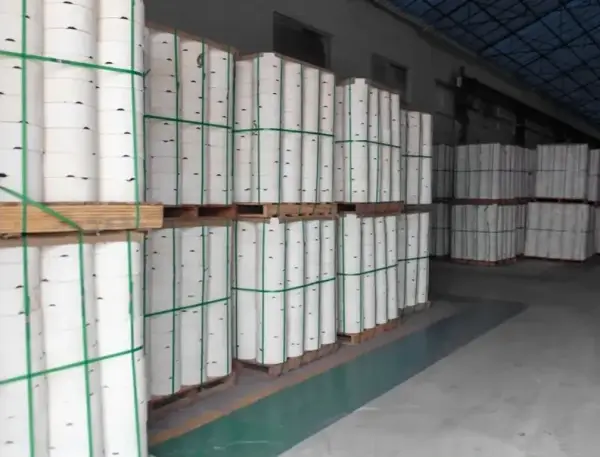
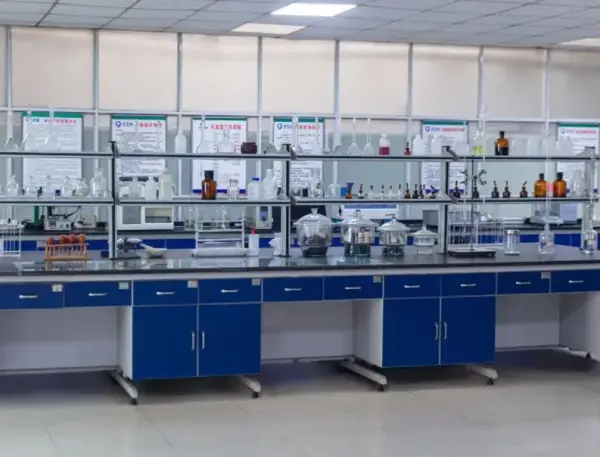
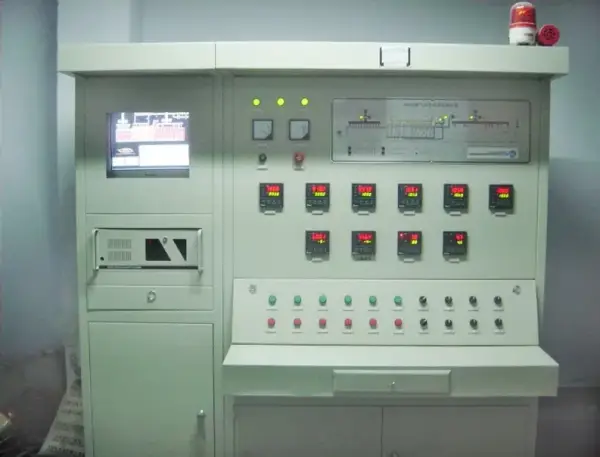
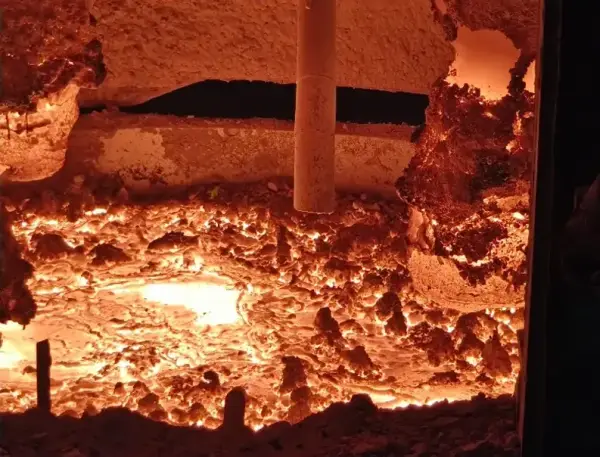
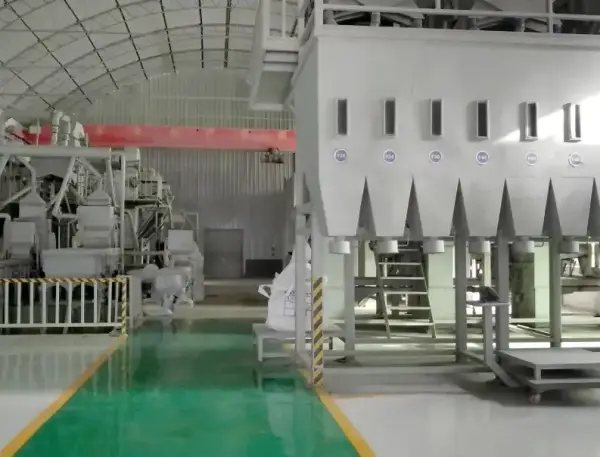
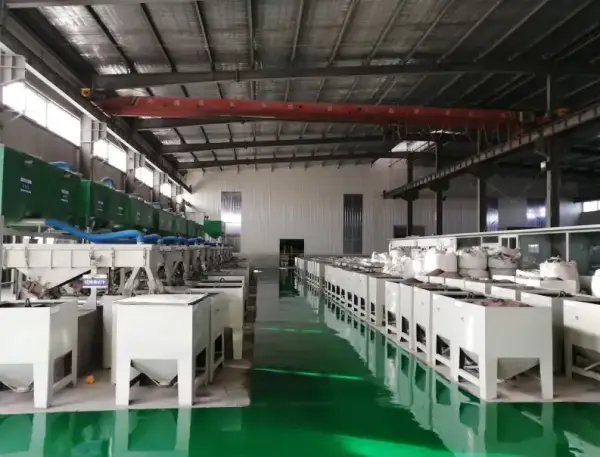
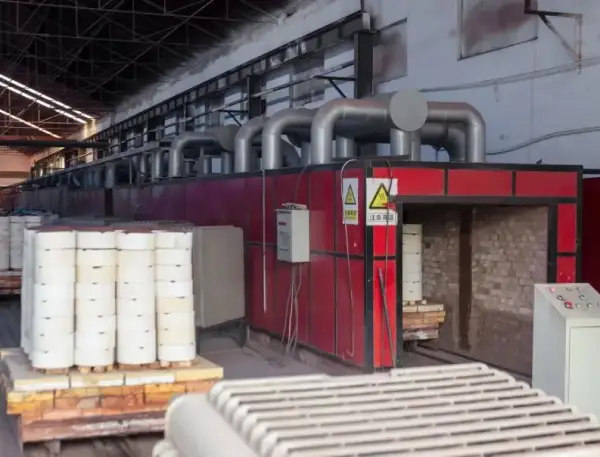
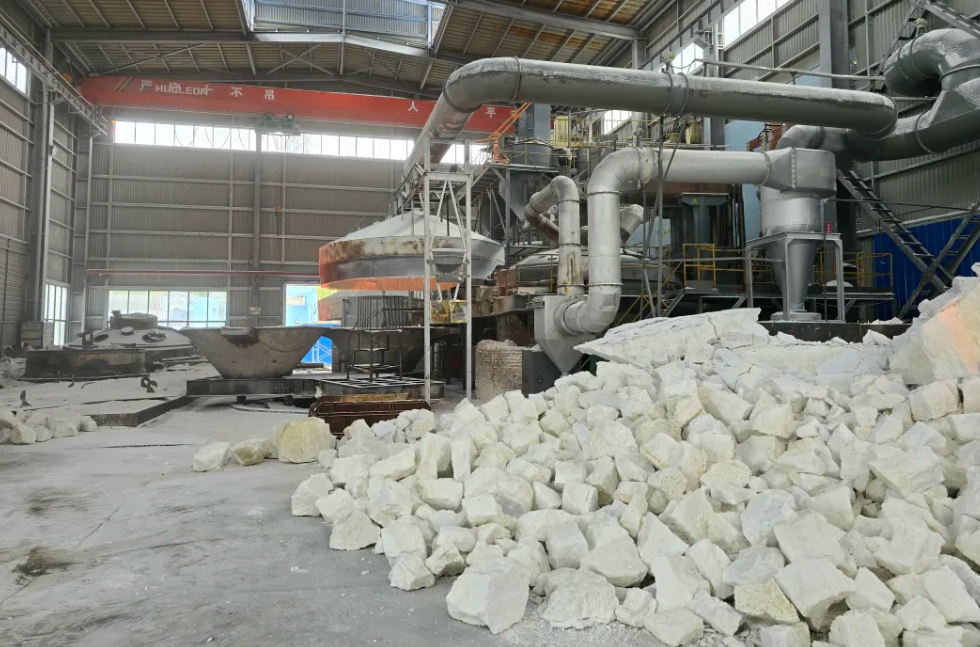
Our Facilities
Products Center
FAQ
Products Center
Q1: Is your company a trading firm or a manufacturing plant? Where are your facilities located?
We are an export-oriented enterprise that integrates manufacturing and sales; we are not an intermediary. Our headquarters—handling international sales, order processing, documentation, and after-sales service—is located in the Liaocheng Economic and Technological Development Zone, serving as the hub for global client relations, order negotiations, and cross-border services. Our production facility is situated in Chiping District, Liaocheng City, and specializes in the R&D, smelting, processing, and testing of white fused alumina, brown fused alumina, and other fused alumina products. This allows us to manage the entire supply chain—from primary production and rigorous quality control to direct export.
Q2: What is your production capacity and supply capability? Can you ensure a stable, long-term supply?
Our production base in Chiping features mature production lines and comprehensive processing equipment, enabling large-scale, continuous manufacturing. We offer a stable supply of our full range of white fused alumina, brown fused alumina, and related fused alumina products. With ample inventory and well-organized production scheduling, we are fully equipped to handle bulk orders, recurring annual orders, and urgent requests during peak seasons, ensuring a reliable, long-term supply for our global clients.
Q3: What are your primary export products, and what are your core offerings?
Our core exports consist of three main series of fused alumina materials: brown fused alumina, white fused alumina, and other fused alumina products. We offer a comprehensive range of specifications and particle sizes that meet various international procurement standards. Brown fused alumina is our flagship product for cost-effective industrial abrasives and refractory raw materials; white fused alumina is designed for high-purity, high-precision grinding and polishing applications; and our broader fused alumina line serves high-end refractory, specialty ceramic, and precision abrasive tool sectors—covering the full spectrum of procurement needs across all market tiers.
Q4: What are the specific applications for these three types of fused alumina, and how should one choose the right product? 1. Brown Fused Alumina: Characterized by high toughness, excellent wear and impact resistance, and a strong price-performance ratio. It is suitable for general industrial applications such as metal sandblasting (rust removal), hardware grinding, the manufacturing of grinding wheels and sandpaper, metallurgical castable refractories, and lining materials for standard industrial furnaces. It serves as a versatile, all-purpose abrasive and refractory raw material.
2. White Fused Alumina: Features high purity, high hardness, and excellent self-sharpening properties, with a pure white appearance free from impurities. It is ideal for high-precision and high-cleanliness applications, including the polishing of precision molds, grinding of aerospace components, finishing of electronic materials, and the production of high-end refractory products and precision ceramics.
3. Fused Alumina (High-Purity/Specialized): Possesses a dense structure, exceptional thermal stability, and high resistance to both heat and corrosion. It serves as a core raw material for high-end, specialized refractories, structural ceramics, precision grinding media, and linings for high-temperature industrial kilns, making it well-suited for demanding, high-performance operating environments.
Contact Us
Products Center
*We respect your privacy and are committed to protecting it through our compliance with our Privacy Policy.
Recommendation
Products Center
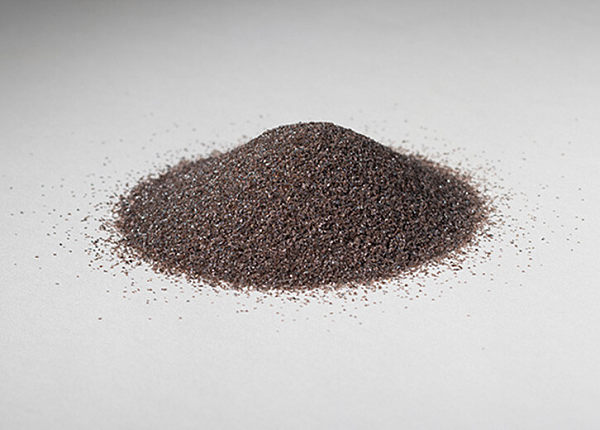
 Brown Fused Alumina Macro
Learn More →
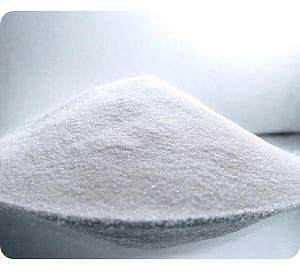
 120# white fused alumina with an average particle size of 100um for lost-wax casting shell-making stucco powder
Learn More →
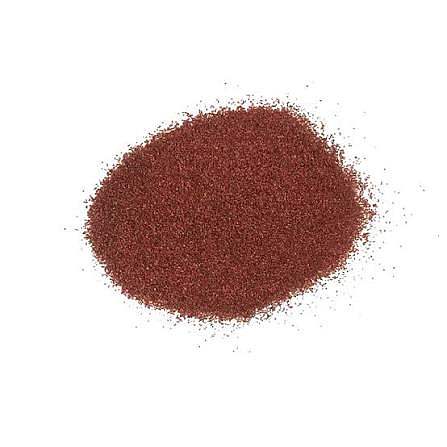
 Iridium-Coated White Fused Alumina
Learn More →
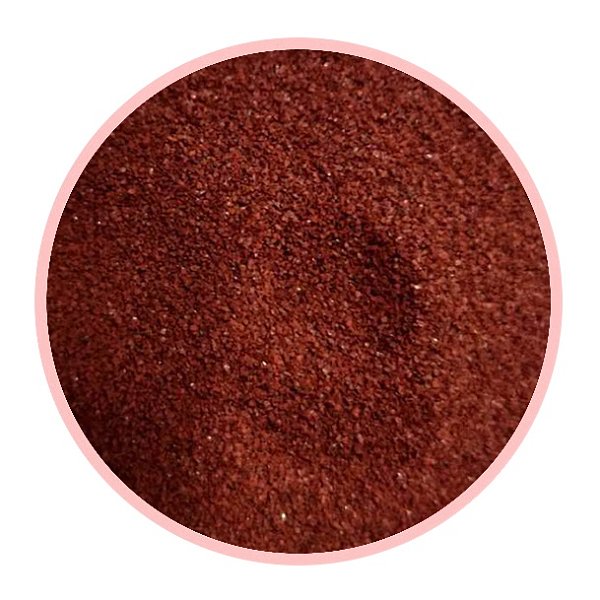
 Iridium-Coated Brown Fused Alumina
Learn More →
 White Abrasive F Grit & P Grit
Learn More →
 High-Purity Alumina
Learn More →
 Metallurgical Grade Alumina
Learn More →
 Tabular Corundum
Learn More →